The word 'sustainable' now does the work of a dozen more precise ones. In housing, it has come to mean everything from a single LED bulb to a passivhaus certified to the last kilowatt-hour. But a truly conscious home is not measured solely by its energy performance. It is measured by the quality of attention paid to every material, every joint, every source.
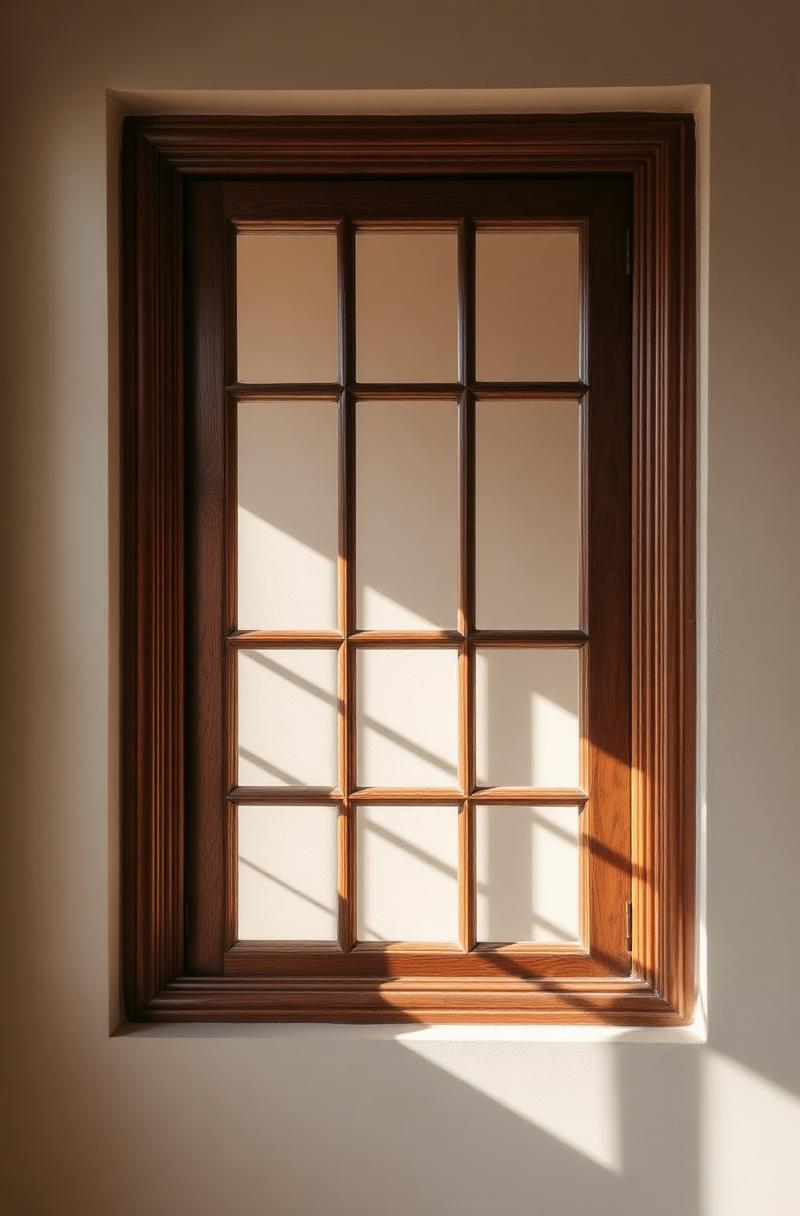
Start with the fabric. Lime plaster instead of gypsum — it breathes, regulates humidity, and can be repaired and reworked over generations. Timber from FSC-certified woodlands, and wherever possible from local mills, rather than tropical hardwoods shipped halfway around the world. Clay paints with zero VOCs. Cork flooring, harvested by hand from living trees roughly every nine to twelve years.
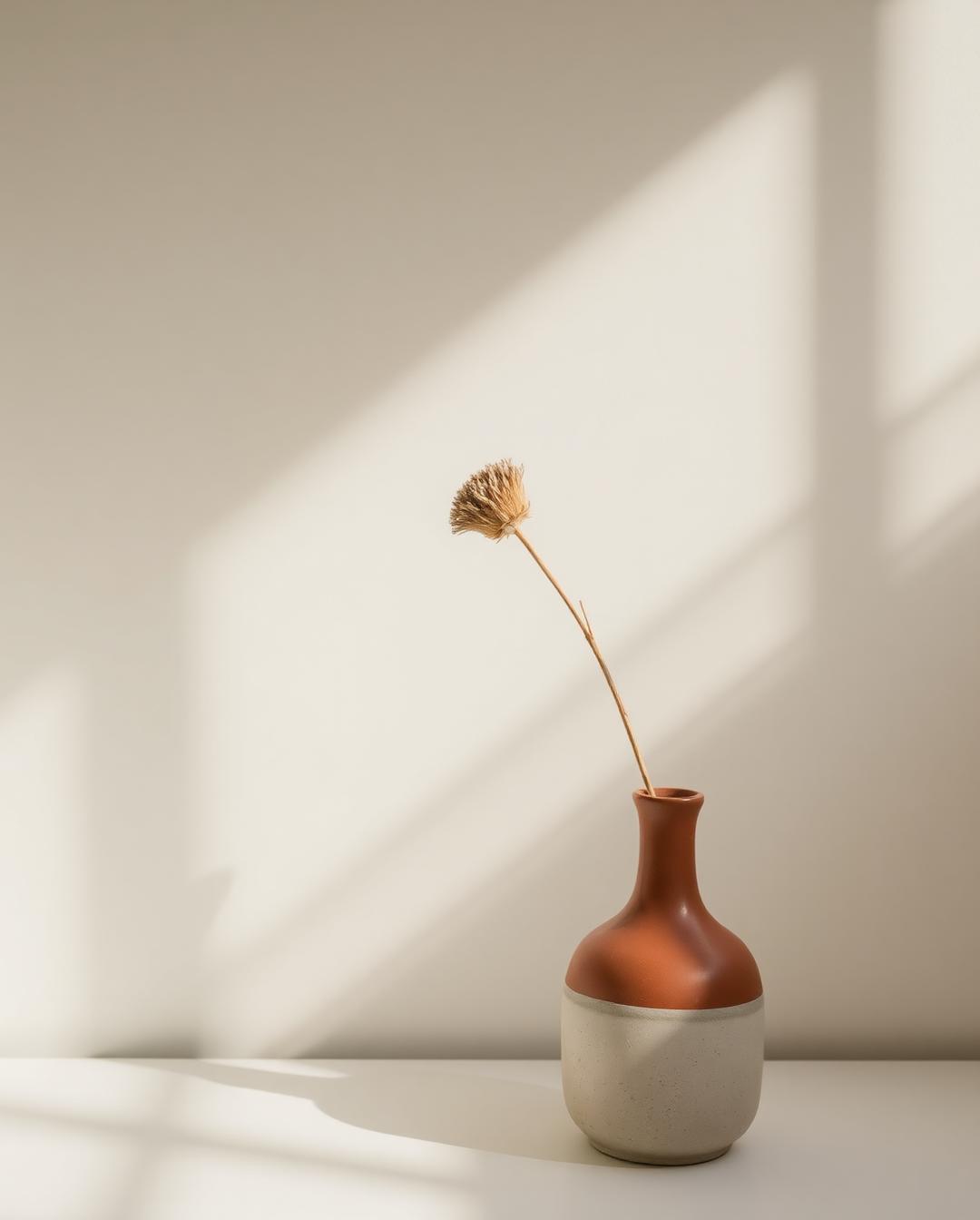
Then consider the objects within it. A conscious home is not empty. It is carefully, slowly populated — with linen that improves with age, with ceramics from named makers, with furniture designed to outlast trends and mortgages. Each object should earn its place.
The most radical thing a home can be is permanent. In a culture obsessed with renovation and redecoration, building something that lasts is an act of resistance against disposability.
This is the philosophy behind every brand we feature. Not perfection, but intention. Not novelty, but longevity. Not status, but substance.